
Traceable logic
Every formula and variable maps back to the standard it came from, so the working is visible, not hidden.
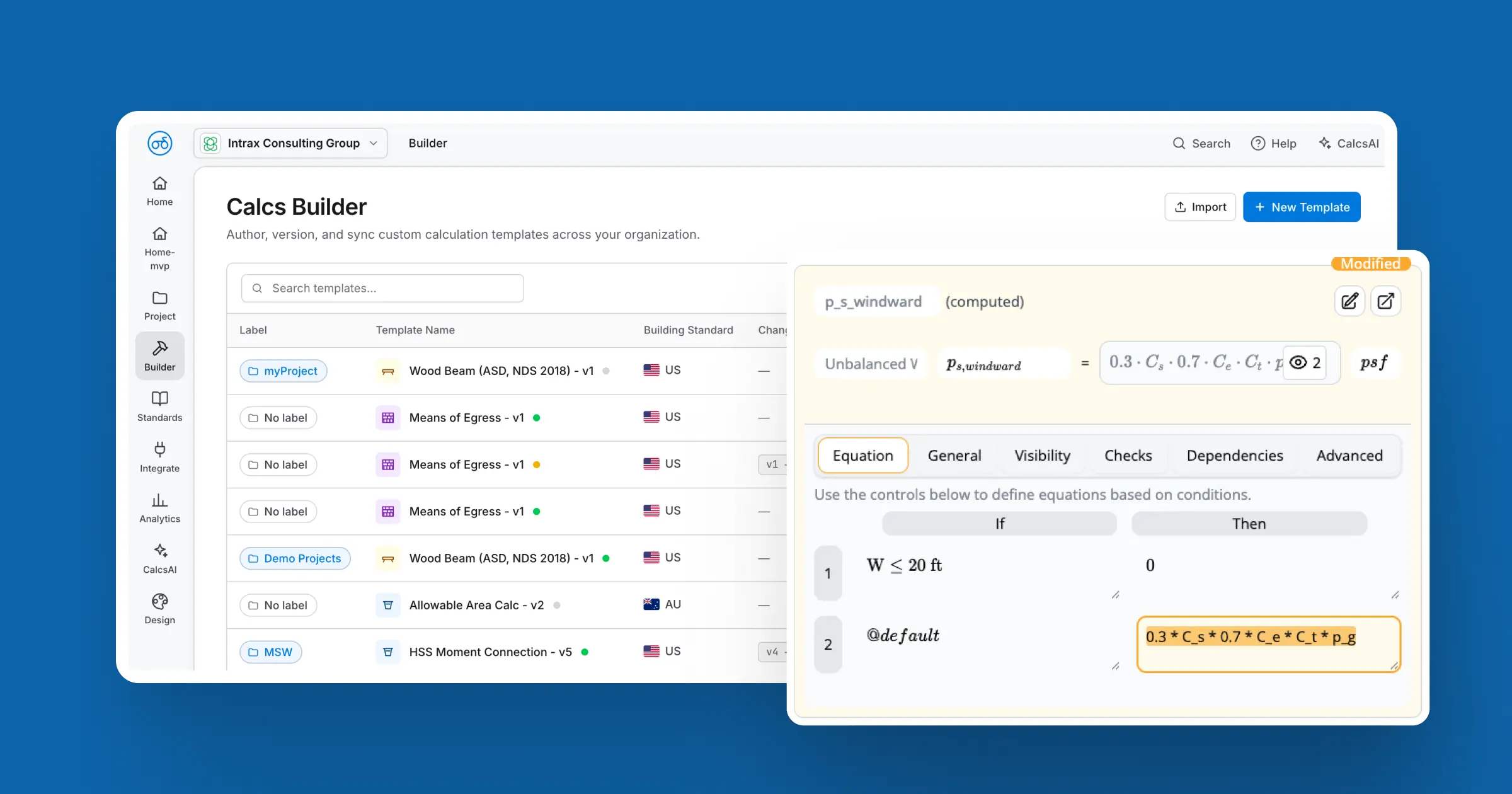
CalcsBuilder is the internal engine our structural engineers use to build and verify every calculator on Calcs.com. It is how a calculation becomes standards-aligned, tested, and defensible before it reaches your work.
Why we build it this way
Many structural checks share the same underlying equations. When each calculator carries its own copy, a fix made in one never reaches the others. Keeping every copy current through a code revision is slow, and that is how calculation tools fall a version behind.
Every calculator on Calcs.com is built in-house by structural engineers using CalcsBuilder. It is not a spreadsheet wrapped in a form. It is a calculation built to a named standard, checked, and kept current.
A structural engineer builds the calculation logic to a named code provision, with each formula and variable traceable to its source.
The calculator is tested against worked examples and reviewed before it is published, so the output is defensible from day one.
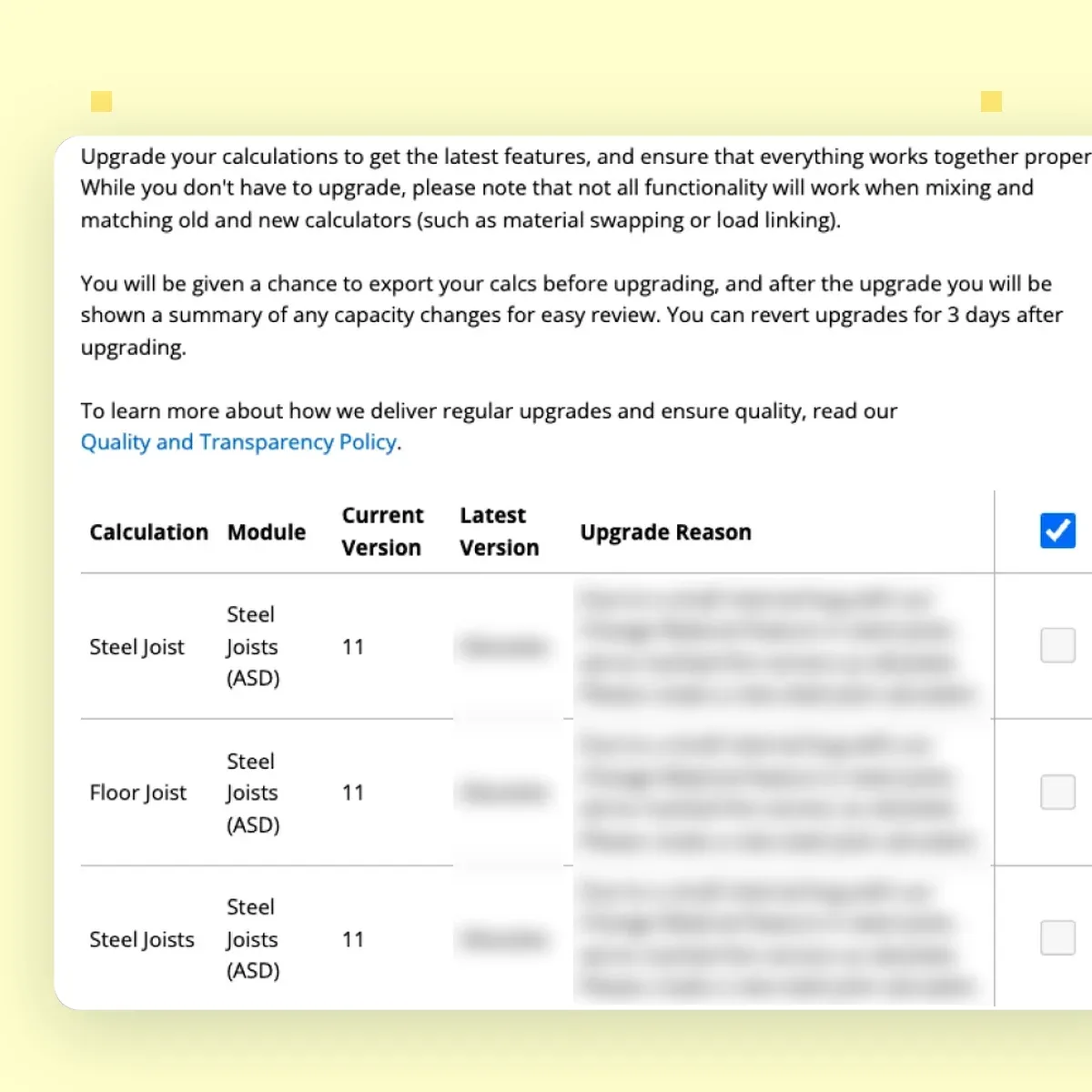
When a standard is revised, the calculator is updated, so you are not left working from a version that is out of date.
Every formula and variable maps back to the standard it came from, so the working is visible, not hidden.
Calculators are built to named codes across US, AU, EU, CA, and NZ, not approximated from general references.
Each calculator is checked against worked examples by a qualified engineer before it reaches your project.
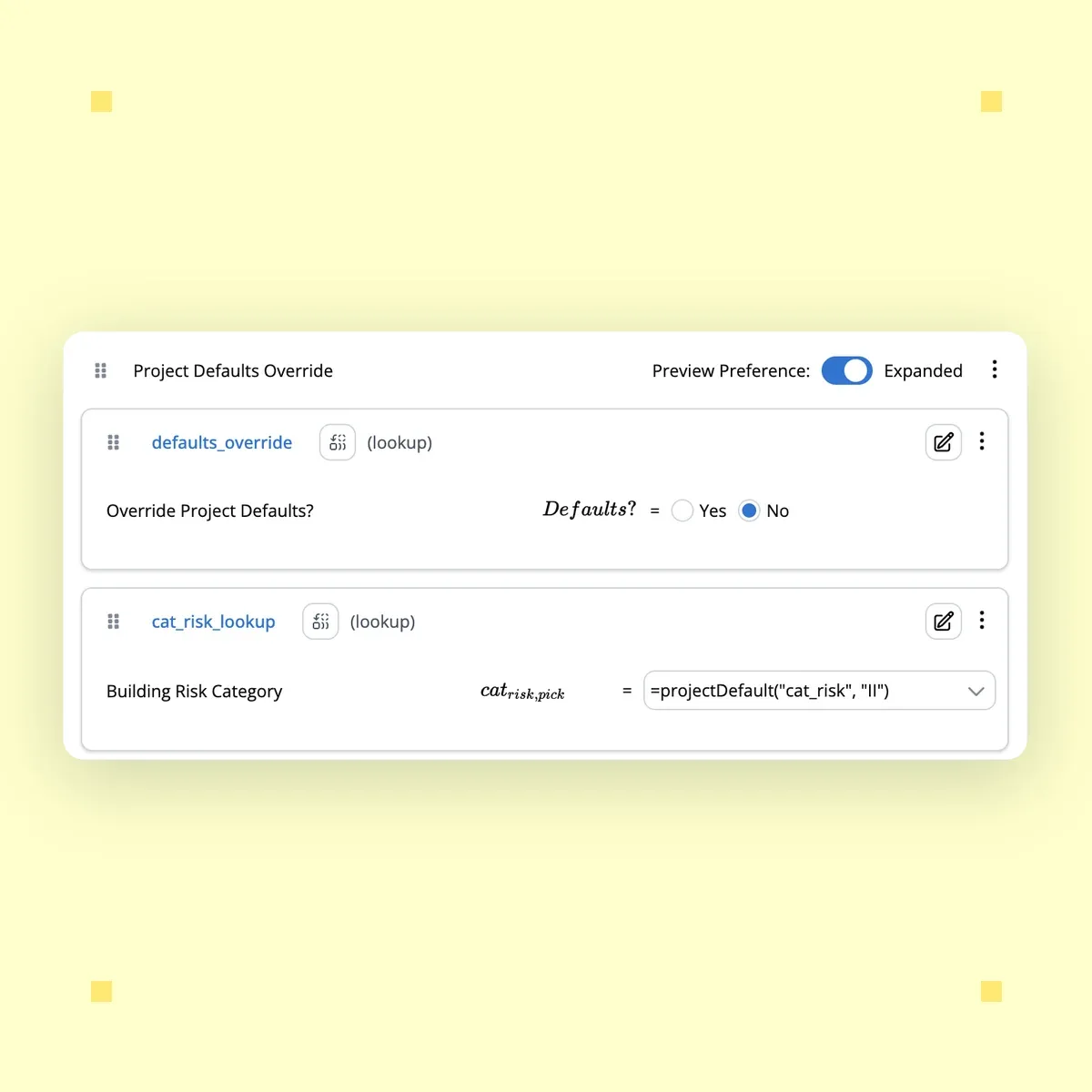
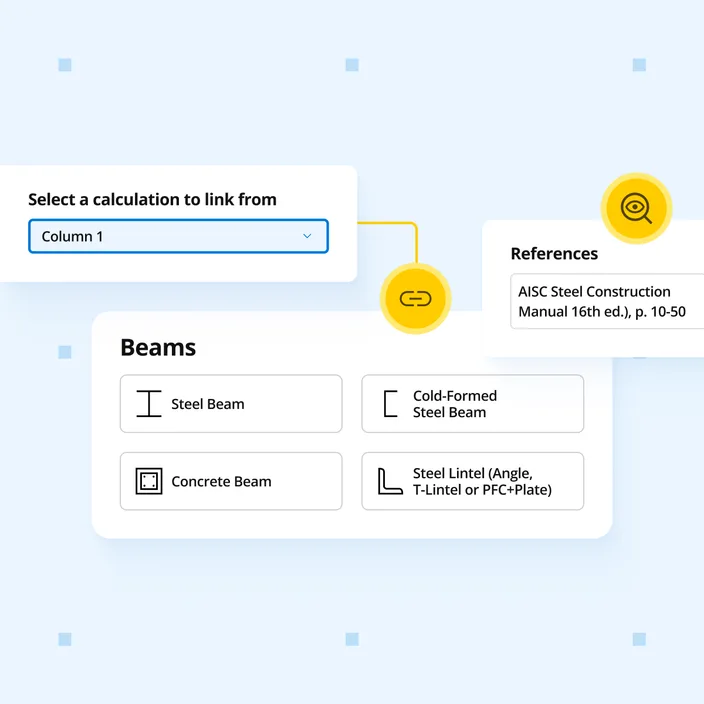
We are rebuilding calculators from reusable building blocks, each tested on its own. Once a calculator runs on them, a fix to one block reaches every calculator that uses it.
[ 01 ]
The calculator you rely on was built by a structural engineer to a named standard, checked, and maintained. That is why you can inspect the logic and defend the result.
[ 02 ]
We are rebuilding the library on shared building blocks. New calculators can then be assembled from parts that have already passed their checks, not written from scratch. That keeps our engineers on the engineering, and it is how the library will grow to cover more of the calculations you run. If one you need is missing, you can request it.
One platform for structural calculations, connected data, and built-in AI.
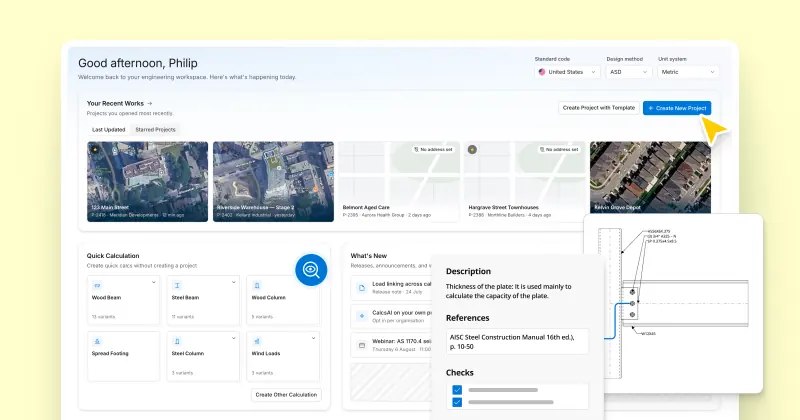
The core of Calcs.com: a standards-aligned calculator library and project organization, with every step visible.
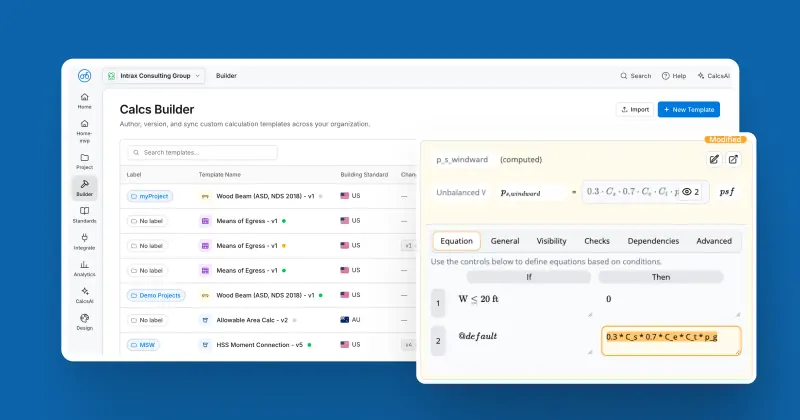
The internal engine our structural engineers use to build, verify, and maintain every Calcs.com calculator.
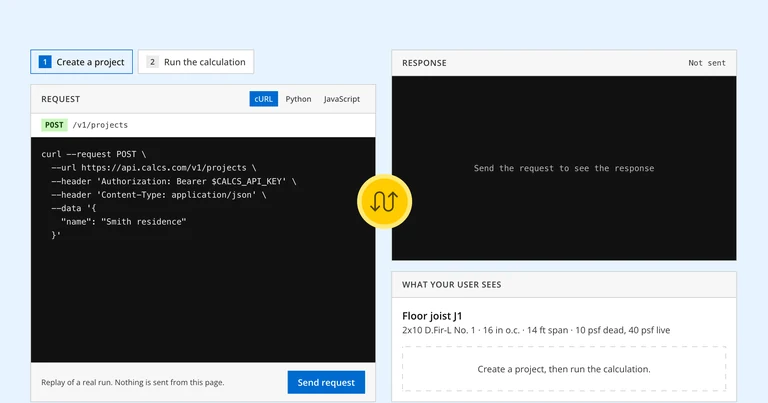
Our API and MCP: run code-checked calculations, site design data, and signed-off reports from your own product or AI chat.
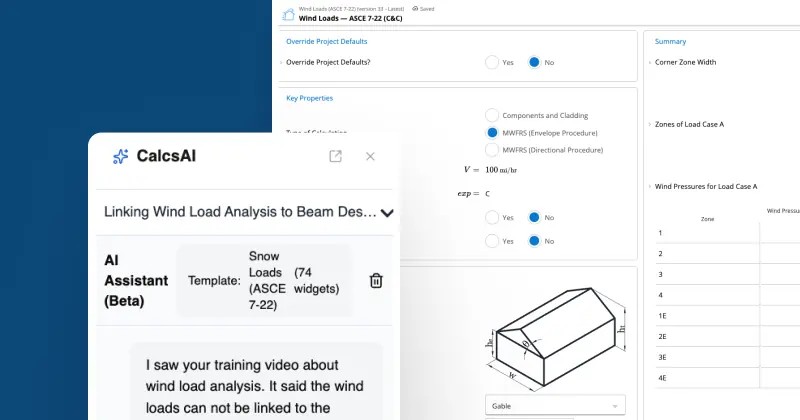
A natural-language layer on Calcs.com that never does the math itself: every number runs through your verified calculators.
Read our quality promise, or browse the standards-aligned calculator library built with CalcsBuilder.
We use analytics cookies to understand how you use this site and improve our content. See our privacy policy and cookie policy for details.